


Nursing and Midwifery Studies in Poland
Mid-level healthcare professions such as Nursing and Midwifery remain among the most in-demand careers across Europe. Poland stands out as a study destination by combining European training standards, reasonable tuition costs, and EU-recognised qualifications. As a result, an increasing number of international students choose Polish universities to become registered nurses or midwives.
What Are Nursing and Midwifery?
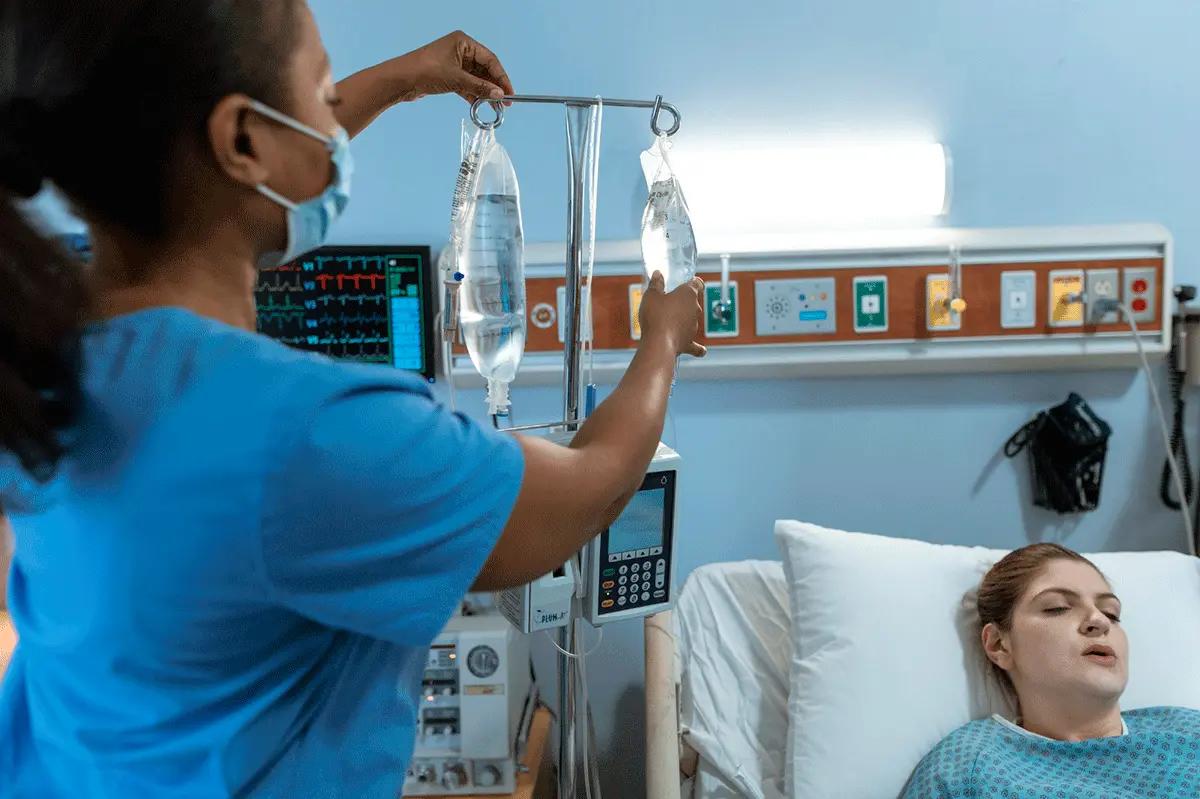
Nursing is a clinical healthcare profession focused on patient care and medical support in hospitals, clinics, outpatient centres, nursing homes, and rehabilitation facilities. In Europe, nurses are independent medical professionals, not auxiliary staff, with clearly defined competencies and a high level of responsibility.
Midwifery is a more specialised healthcare profession related to pregnancy care, childbirth, postnatal care, and newborn health. Midwives in Poland and across the EU enjoy a high level of professional autonomy and work in both public and private healthcare institutions.
Nursing and Midwifery Are an Excellent Choice for Those Who:
- want to obtain a European healthcare qualification,
- are not aiming for the extreme competition of Medicine,
- plan to work in Europe,
- seek a stable and highly demanded career in healthcare.
Where You Can Study in Poland
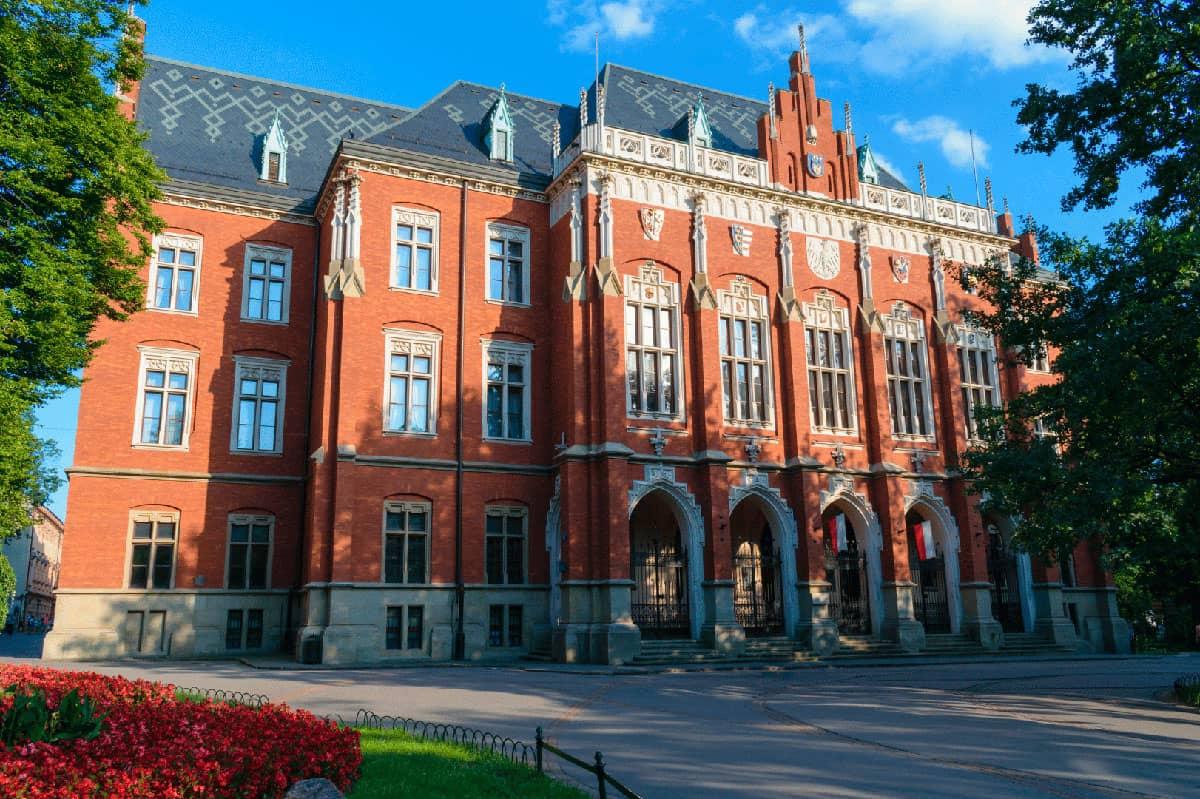
In Poland, Nursing programs are offered by over 50 public and private universities, while Midwifery is available at approximately 30 higher education institutions. Studies are delivered mainly at medical universities and specialised academies, as well as at selected private institutions with medical accreditation.
Most programs are taught in Polish; however, English-taught tracks have been actively developing in recent years, especially for international students. Full English-taught programs can be found, for example, in Gdańsk, Lublin, and at several private medical academies.
Both Nursing and Midwifery programs follow the Bologna system:
- Bachelor’s degree — 3 years (6 semesters)
- Master’s degree — 2 years (4 semesters)
The curriculum includes core medical subjects (such as anatomy, physiology, pathophysiology, and biochemistry), specialised professional courses, and mandatory clinical training. Practical training forms a substantial part of the program and takes place in hospitals, maternity wards, clinics, and medical centres.
Tuition Fees in Polish Universities
Tuition fees for Nursing and Midwifery programs in Poland depend primarily on the language of instruction and the type of university (public or private). Overall, these programs are among the most affordable healthcare degrees in the European Union.
English-taught programs are designed mainly for international students and are fee-based; however, their cost remains significantly lower than in Western Europe.
1. Medical University of Gdańsk (MUG)
- Bachelor’s in Nursing: 6 000 euros per year
2. Medical University of Lublin
- Bachelor’s in Nursing: 6 000 euros per year
- Bachelor’s in Midwifery: 7 000 euros per year
3. WSEI / Vincent Pol University
- Midwifery:
- EU citizens: 2 640 euros per year
- Non-EU students: 3 300 euros per year
On average, English-taught Nursing and Midwifery programs in Poland cost 3 000–6 000 euros per year, depending on the university and the student’s citizenship status. You can find more details about tuition fees and living costs in Poland in our separate article.
Admission to Nursing and Midwifery in Poland
Admission to Nursing and Midwifery programs in Poland is considered one of the most accessible pathways in healthcare education. While competition exists, these programs do not require complex entrance exams like those used for Medicine or Dentistry. Selection is based primarily on academic documents and subject relevance.
For Bachelor’s degree programs, the key document is the secondary school certificate. Universities assess candidates using a ranking system, with particular attention to:
- Biology grades — the primary and most important subject,
- occasionally Chemistry, Physics, or Mathematics,
- the overall school average, depending on the institution.
There are no written entrance exams for English-taught Nursing and Midwifery programs. Admission decisions are made by ranking candidates until all available places are filled.
Applicants with EU Secondary Education
Applicants who completed secondary education within the EU are assessed through document-based academic evaluation. Universities rank candidates mainly by Biology results and overall academic performance.
Some institutions may additionally conduct a short online interview to confirm English proficiency and motivation, but no academic exam is required.
Applicants with Non-EU Secondary Education
Applicants with secondary education obtained outside the EU follow the same academic selection principles. Their certificates are evaluated for eligibility, and Biology remains the decisive subject in the ranking.Non-EU applicants are more likely to be invited to an online interview, primarily to verify:
- English language level,
- motivation,
- basic understanding of the chosen healthcare profession.
This interview is not an entrance exam and is not designed to eliminate candidates, but rather to confirm readiness for medical studies.
Competition and Realistic Admission Chances
Competition for Nursing and Midwifery programs is moderate. At most universities, it ranges from 1–2 applicants per place, and sometimes even lower. This means that applicants with a standard school certificate and relevant subjects have high chances of admission, especially when applying early.
For English-taught programs, competition may be slightly higher due to international demand. Even in these cases, the process remains transparent and manageable, without exam-based elimination.
Admission to English-taught Nursing and Midwifery programs in Poland is based on a combination of academic records, subject relevance, and, in some cases, a short interview. With proper documentation and timely application, the process is straightforward and stress-free, making these programs an attractive option for international students seeking a European healthcare qualification.
Diploma Recognition and Working Abroad
A Nursing or Midwifery degree obtained in Poland is officially recognised across all European Union countries. Both professions are classified as regulated healthcare professions, and Polish study programs fully comply with EU training standards. This allows graduates to legally practise their profession in any EU country after completing the standard professional registration process.
Within the EU, diploma recognition is carried out without the need for retraining. In most cases, graduates are required only to submit their documents to the relevant professional regulatory body and demonstrate language proficiency of the host country, usually at B2 level. Additional professional exams are not required when the diploma is obtained from an accredited Polish university.
In Poland, graduates may start working immediately after completing their studies by registering with the professional chamber of nurses and midwives. Due to a significant workforce shortage, employment opportunities are strong, and many students receive job offers already during their clinical placements.
Outside the EU (including the United States, Canada, and the United Kingdom), Polish Nursing and Midwifery diplomas are not automatically recognised. However, Polish education is accepted as a valid academic foundation for further licensing. Graduates must complete credential evaluation, professional exams, and language requirements, but the diploma remains fully valid and does not require restarting education from the beginning.

Employment and Career Demand
Nurses and midwives are among the most in-demand healthcare professionals in Europe, where staff shortages have persisted for many years. As a result, graduates of Polish universities typically find employment quickly and rarely face difficulties entering the labour market.
Graduates work in public and private hospitals, maternity wards and perinatal centres, rehabilitation clinics, nursing homes, and private medical facilities. Income levels vary by country and experience; however, these professions offer stable employment, strong social benefits, clear career progression, and high professional mobility within the EU.
How AcademGo Supports Your Admission
AcademGo supports applicants at every stage of admission to Polish universities—from choosing the right program to enrolment and the start of studies. We do not use a one-size-fits-all approach; instead, we build a realistic admission strategy based on academic results, language level, budget, and long-term career goals.
Our experts select universities and programs with genuinely high admission chances, ensure documents are prepared and verified correctly, and handle communication with admissions offices. This is especially important for healthcare programs, where mistakes in documentation or deadlines can cost an entire academic year. As a result, students begin their studies without stress, unnecessary expenses, or the risk of refusal, following a clear and controlled path to European healthcare education.
Frequently Asked Questions
