


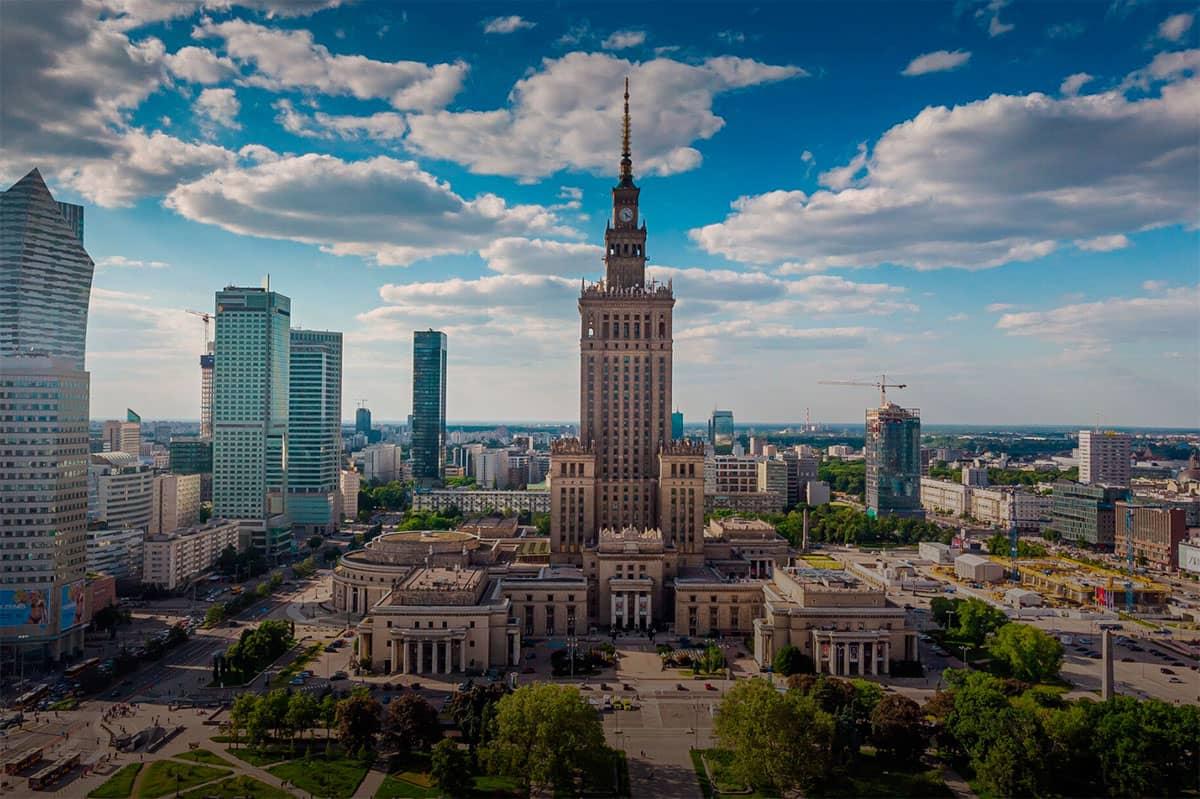
Public Universities in Poland
Public universities in Poland are an excellent choice for students seeking high-quality academic education, a prestigious European degree, and the opportunity to study for free or at a low cost. These institutions are consistently ranked in both national and international university rankings, actively participate in research projects, and collaborate with universities across Europe, the USA, and Asia.
For students ready to go through a competitive admission process and study in either Polish or English, public universities offer a stable academic environment recognized worldwide.
Advantages of Public Universities
Public universities in Poland are known for their long-standing academic traditions and high teaching standards. Many of them are over 100 years old and rank among the top universities in Central Europe. Key benefits include:
✔️ Prestige and recognition — Degrees from public universities are recognized across the European Union, the USA, Canada, and beyond. Graduates are in demand in academia, international organizations, and major global companies.
✔️ Free or low-cost education in Polish — EU citizens and students enrolled in Polish-taught programs may study free of charge or at very low tuition rates.
✔️ Extensive academic resources — Students gain access to research facilities, scientific labs, and academic archives, as well as opportunities to take part in research projects.
✔️ Erasmus+ and global collaboration — Many public universities are deeply engaged in international partnerships, giving students the chance to study abroad through exchange programs.
✔️ Top programs in medicine, engineering, and science — Poland’s strongest academic departments in medical, technical, and natural sciences are typically based in public universities.
Who Can Apply and What Is the Admission Process?
Public universities in Poland are open to applicants from the EU, CIS countries, Asia, the Middle East, Africa, and Latin America. Admission requirements for international students may vary depending on the faculty and language of instruction.
📌 Basic requirements:
- A high school diploma with an apostille and translation into Polish or English
- Language certificate: – For Polish-taught programs: B1–B2 level (often verified by a State Commission certificate or internal test) – For English-taught programs: IELTS 6.0+, TOEFL 90+, or an internal language interview
- Motivation letter, CV, passport copy, and photo
- For some fields (e.g. medicine, architecture, law, psychology, philology) — an entrance exam or interview may be required
📌 Application steps:
- Prepare and submit your documents (usually via the university’s online platform)
- Wait for an invitation to an exam or interview (if required)
- Receive an official acceptance letter
- Apply for a student visa
📌 Application deadlines:
- For the fall semester: from March to July
- For the spring semester (if available): from October to December
You can apply to a Polish public university right after graduating from high school, as long as your diploma meets the country’s educational standards. Nostrification (official recognition of your diploma) is often completed after the start of studies. Some universities accept applications until late summer, but it’s recommended to apply as early as possible — especially if entrance exams are involved.
When Should You Choose a Public University in Poland?
Public universities in Poland may be the right choice for you if:
You value academic prestige and rankings. If you aim to study at one of Central Europe’s most respected institutions — such as Jagiellonian University or the University of Warsaw — a public university is the ideal path.
You’re ready to take entrance exams and compete for admission. Gaining admission to a public university often means passing selective entry requirements. If you’re confident in your academic abilities and prepared to compete, this route is for you.
You want low-cost or tuition-free education. Polish-taught programs often offer tuition-free spots, especially for students with a Polish Card or other qualifying criteria.
You plan to study in research-driven fields like medicine, pharmacy, biology, engineering, linguistics, or international relations. Public universities typically have well-established laboratories, research centers, and expert faculty in these disciplines.
You’re interested in international collaboration and mobility. Public universities actively participate in programs like Erasmus+, DAAD, CEEPUS, and other international academic networks — giving you opportunities to join global research or spend semesters abroad.
Tuition Fees and Tuition-free Study Options
Studying at a public university in Poland can be free of charge or significantly more affordable than at private institutions — especially if you choose a Polish-taught program.
✔️ Polish-language programs may be free of charge for:
- EU citizens
- Holders of a Polish Card (Karta Polaka)
- Students qualifying under special agreements or government programs
- Students who win a spot in competitive tuition-free programs (typically with grades above 95%)
- Students with a C1-level state certificate in the Polish language
For other international applicants, tuition for Polish-taught programs typically starts from 1 200 euros per year, depending on the field of study.
✔️ English-taught programs are priced higher — usually from 2 000 to 3 500 euros per year, particularly in fields like medicine, engineering, economics, and international relations.
Additional expenses to consider:
- Application/registration fee: from 85 to 200 euros
- Dormitory accommodation: from 100 to 250 euros per month
- Health insurance: from 30 to 70 euros per year
Despite the relatively low tuition costs, Polish public universities offer a variety of financial support options for international students.
First, there are academic merit-based scholarships, awarded to students who demonstrate excellent academic performance — often from the first year of study. These scholarships typically range from 100 to 300 euros per month and can be renewed throughout your studies if high grades are maintained.
Second, social scholarships are available for students from low-income families or underrepresented backgrounds. These require proof of financial need and active enrollment in a full-time program.
Many universities also participate in the Erasmus+ program, allowing students to spend one or two semesters abroad — in partner institutions across Germany, France, Italy, the Netherlands, and beyond — with accommodation and travel expenses fully covered. This offers both financial benefits and valuable international experience.
Some top public universities, such as Jagiellonian University, the University of Warsaw, and Wrocław University of Science and Technology, also provide internal scholarships and grant opportunities, especially for STEM students and English-taught master's programs. In addition, international students can apply for funding through NAWA (Polish National Agency for Academic Exchange) — a government-backed initiative that covers tuition, housing, and monthly stipends for qualified applicants.
Top Public Universities in Poland
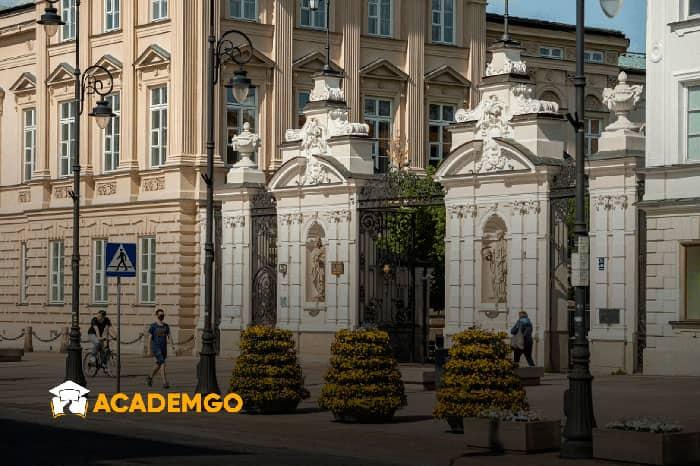
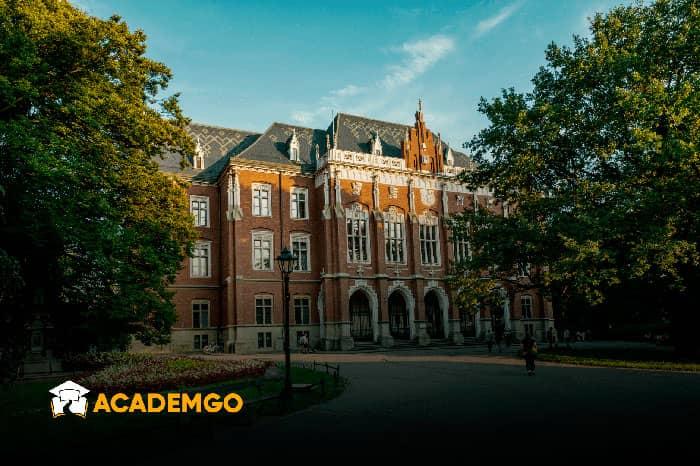
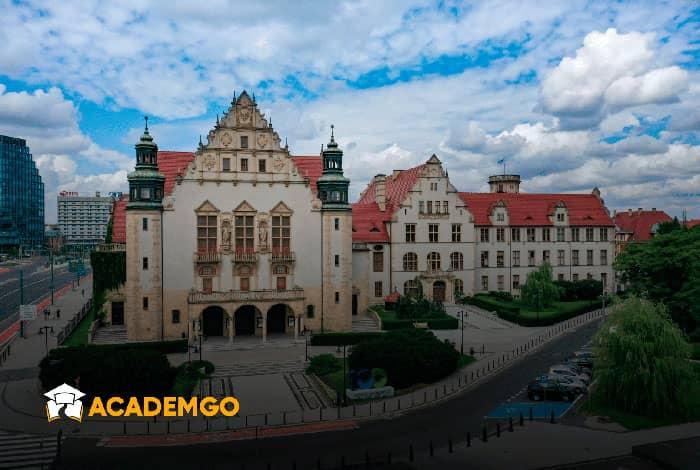
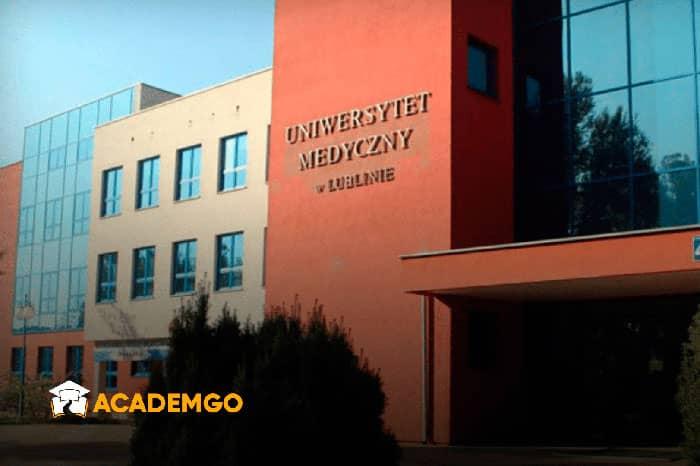
Here is a selection of the most respected and popular public universities in Poland. These institutions offer programs in both English and Polish, are featured in international university rankings, and are welcoming to international students.

Frequently Asked Questions
