


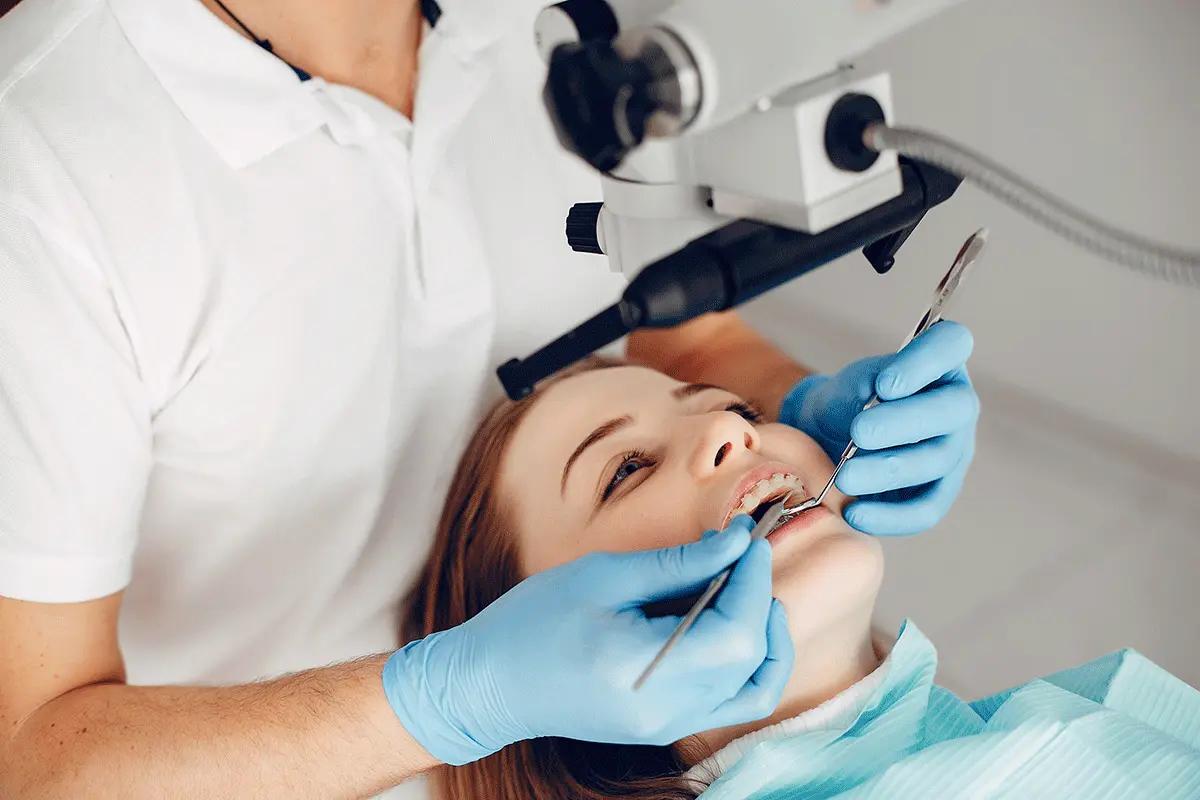
Dentistry Studies at Universities in Poland
Dentistry studies in Poland is an excellent choice for students who aim to become qualified dental professionals and obtain a Doctor of Dental Medicine degree recognised throughout the European Union.
Polish medical universities are known for strong practical training, modern dental laboratories, and the option to study either in Polish or English. At the same time, tuition fees remain significantly lower than in Western Europe, while educational standards meet international expectations.
Why Study Dentistry in Poland?
European-quality education at an affordable cost
Tuition fees for Dentistry in Poland typically range between 11 000–15 000 euros per year, which is considerably lower than in countries such as Germany or the United Kingdom.
Internationally recognised dental degree
Graduates are awarded the degree Lekarz Dentysta (Doctor of Dental Medicine), which is recognised across the EU and in a number of other countries, subject to local licensing requirements.
Choice of language of instruction
International students may study Dentistry in English or Polish, allowing them to begin their studies without prior knowledge of Polish if they choose an English-taught program.
Modern dental technologies and training
Clinical classes are conducted using advanced dental simulators and under the supervision of experienced practising dentists.
Legal part-time work during studies
International students in Poland are allowed to work during the studies without any additional permits.
Structure of the Dentistry Program
The Dentistry program lasts 5 years (10 semesters). The curriculum is designed to combine theoretical education with practical training from the early years of study.
1–2 years:
- anatomy, biology, physiology, biochemistry;
- fundamentals of dental instruments and materials;
- medical Polish or English language courses.
3–4 years:
- therapeutic and surgical dentistry, prosthodontics, endodontics, periodontology;
- practical training using simulators and phantom units;
- clinical courses in university hospitals.
5 year:
- clinical internship and direct work with patients under medical supervision;
- preparation for the state examination;
- thesis completion and award of the Lekarz Dentysta (DMD) degree.
Top Universities in Poland for Dentistry
1. Warsaw Medical University (WUM) — the leading medical university in the country, offering Dentistry programs in both Polish and English.
Tuition fee: 13 500 euros per year.
2. Medical University of Gdańsk (MUG) — one of the most modern medical universities in Poland, known for a strong English-taught Dentistry program and opportunities for clinical placements within the EU.
Tuition fee: 12 000–14 000 euros per year.
3. Poznan University of Medical Sciences (PUMS) — offers an English-taught Doctor of Dental Medicine (DMD)program. Admission is based on an entrance examination and an interview.
Tuition fee: 14 600 euros per year.
4. Jagiellonian University Medical College (Kraków) — one of the oldest universities in Europe, with a medical college offering Dentistry programs in Polish.
Tuition fee: 15 500 euros per year.
5. Wroclaw Medical University (UMW) — provides strong practical training and clinical placements in the university’s own dental clinics.
Tuition fee: 18 000 euros per year.
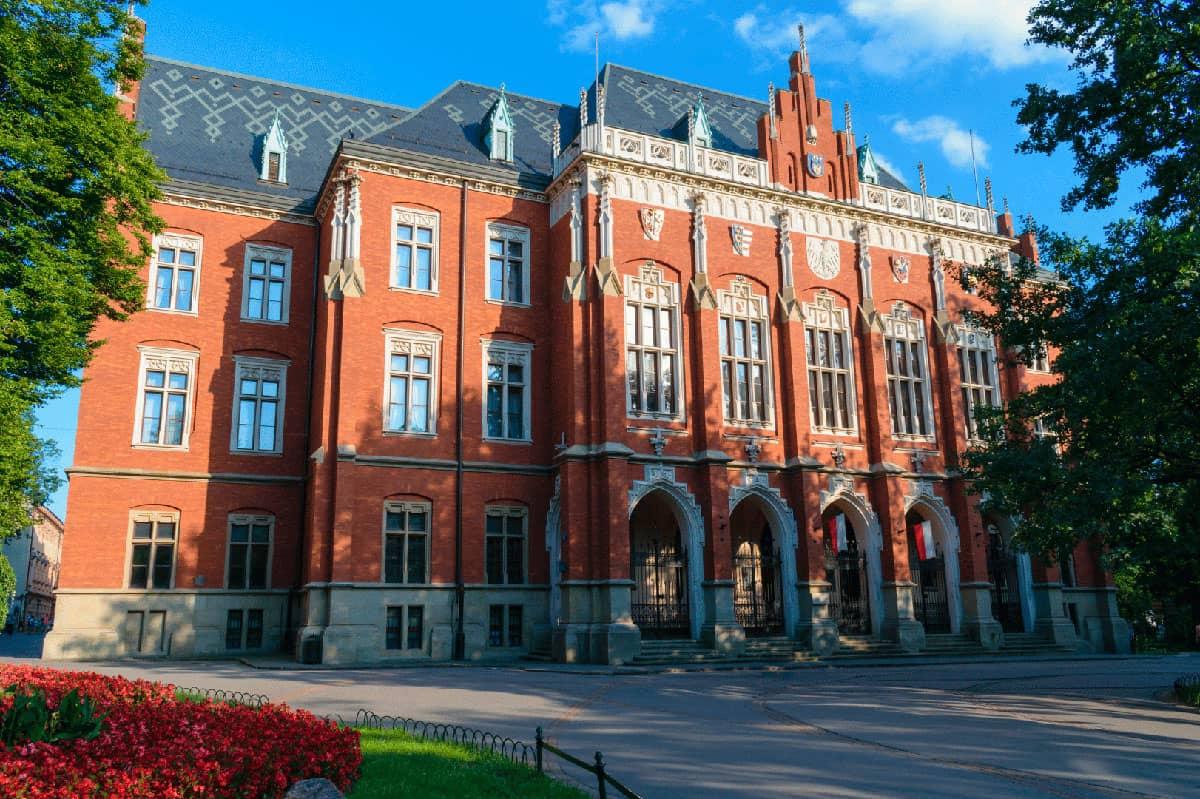
Admission to Dentistry in Poland
Admission to Dentistry (English Division) in Poland is highly competitive. At public medical universities, competition typically reaches 6–8 applicants per place, especially for English-taught programs. Selection is based on the internal entrance examination, which fully replaces national school-leaving exams. External national exams are used only to confirm completion of secondary education and do not affect admission results. More detailed information about general admission requirements you can find here.
Step by Step Admission Process
The admission procedure follows a standard structure across Polish medical universities:
1️⃣ Online registration through the university admission system (usually IRK).
2️⃣ Submission of documents, including secondary school diploma (translated into English), passport copy, photo, and proof of English proficiency.
3️⃣ Entrance examination — the key and decisive stage of selection.
4️⃣ Online interview (required by some universities).
5️⃣ Publication of the ranking list and issuance of the admission offer.
Applicants with EU Secondary Education
Applicants who completed secondary education within the EU may be qualified either through converted school-leaving exam results or through the internal entrance exam, depending on their educational background. Administrative procedures may be simpler for EU applicants; however, academic selection criteria are defined by the admission track and remain objective and transparent.
Applicants with Non-EU Secondary Education
Applicants who obtained secondary education outside the EU are qualified exclusively on the basis of the internal entrance examination. The exam result is the sole academic criterion for admission. Non-EU applicants are more frequently assigned the online exam format with proctoring, while exam content, scoring system, and evaluation standards remain identical.
Entrance Examination for Dentistry in English
The entrance exam is conducted entirely in English and focuses on Biology and Chemistry. In some universities, basic elements of Mathematics or Physics may be included, but for most English-taught Dentistry programs the test is limited to Biology and Chemistry.
The exam format is a multiple-choice test designed to assess both subject knowledge and logical application in medical contexts. It typically includes 60–100 questions in total, with 20–40 questions per subject, and lasts approximately 120 minutes.
Scoring follows a transparent system where 1% equals 1 point. To pass the exam, candidates must achieve at least 30% in each subject, with an overall result of around 60% required to be considered competitive. In practice, due to high competition, admitted candidates usually score significantly higher.
The exam may be held on campus or online via secure platforms such as Testportal or Safe Exam Browser, with identity verification and continuous video monitoring. International applicants are most often assigned the online proctored format.
Competitive Scores and Admission Reality
At top universities, especially in Warsaw and Kraków, effective admission scores rarely fall below 80%. In Gdańsk and Poznań, entry thresholds may be slightly lower, but competition for English-taught Dentistry programs still remains high at 6–8 applicants per place. Universities such as Wrocław and Łódź generally offer slightly higher admission chances while maintaining the same level of diploma recognition and educational quality.
Applicants scoring below 70% are rarely admitted to the main list and are usually placed on reserve lists without guaranteed enrolment.
Tips for Successful Admission
✔️ Begin preparation at least 3–4 months before the exam.
✔️ Practise with official sample tests published by medical universities — their structure closely reflects real exams.
✔️ Focus on key topics: human anatomy basics, chemical reactions, biomolecules, cell biology, and genetics fundamentals.
✔️ Consider Foundation Year / Premed programs, which significantly improve exam readiness and admission chances.
Tuition Fees and Living Costs
✔️ Polish-taught programs: from 9 000 euros per year
✔️ English-taught programs: 11 000–15 000 euros per year
✔️ Accommodation: 300–500 euros per month, depending on whether the student lives on campus or rents privately
✔️ Health insurance and administrative fees: around 200 euros per year
As a result, the overall cost of studying and living in Poland remains one of the most affordable among EU countries, while offering a fully recognised European dental degree and education standards comparable to Western Europe.
You can find more details about tuition fees and living costs in Poland in our separate article.
Advantages for International Students
✔️ Choice of language of instruction
Students may study Dentistry in English or Polish, making entry possible without prior knowledge of Polish when choosing an English-taught program.
✔️ Early practical training
From the 2nd–3rd year, students train on dental simulators and phantom units; senior students treat real patients under academic supervision.
✔️ EU-wide diploma recognition
The Doctor of Dental Medicine degree is recognised throughout the EU, allowing graduates to work without retraining after completing the required licensing steps.
✔️ Affordable tuition with high academic standards
Dental education in Poland is more affordable than in Western Europe while maintaining strong clinical and academic quality.
✔️ Support from AcademGo
AcademGo assists with university selection, document preparation, residence formalities, and student adaptation in Poland.
How AcademGo Supports Students
AcademGo supports students at every stage of the admission process to Polish medical universities, providing clear guidance and professional assistance from start to finish.
✔️ Selection of a suitable university and program (English- or Polish-taught)
✔️ Full document review and certified translation of school diplomas
✔️ Registration for entrance examinations and online exam preparation
✔️ Assistance with residence formalities, accommodation, and adaptation in Poland
With AcademGo, students receive more than just admission — we are getting end-to-end support, from choosing the right university to settling in during the first weeks of study.
Frequently Asked Questions
